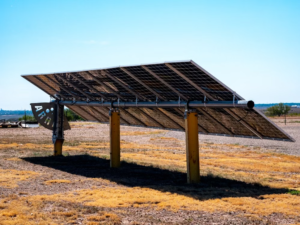
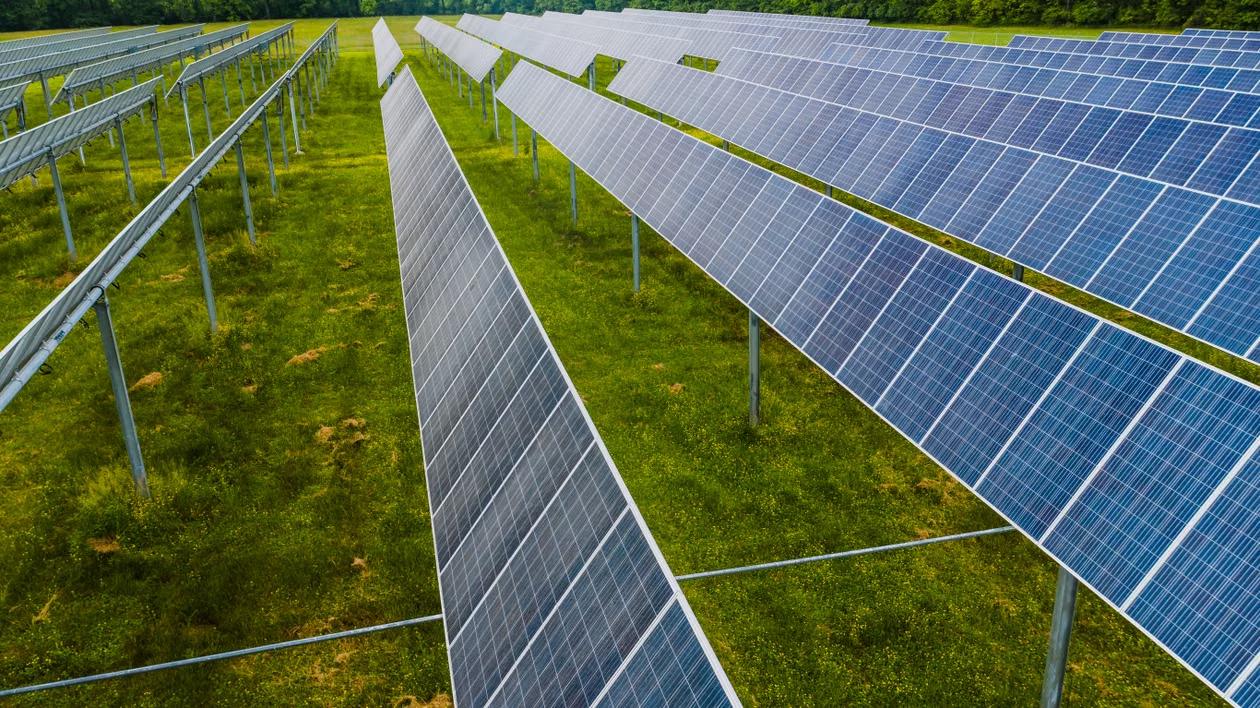
Ground-mounted solar is most useful when the site determines the design. For commercial and agricultural properties around Hartford with usable open land, the format removes many of the constraints imposed by roof pitch, roof age, and structural capacity. BiG Energy USA approaches these projects as energy infrastructure: our engineer-led team reviews actual utility consumption, available land, electrical service, and interconnection requirements before sizing the array. The goal is not simply to install more panels, but to build a system that fits the facility’s load profile, operating priorities, and Northeast conditions.
Turning Open Land Into a Productive Asset
On a commercial site, unused acreage has one advantage a roof cannot offer: layout flexibility. Ground arrays can be positioned independently of a building’s roofline, and access around the racking is generally simpler for inspection and maintenance. Before layout, BiG
They affect foundation design, trenching, equipment placement, constructability, and future expansion. As an exclusive distributor of MT Solar ground-mount products in Connecticut, New York, Massachusetts, and New Jersey, BiG Energy can also configure adjustable-tilt systems engineered for Northeast conditions. For owners with roofs approaching replacement or with limited roof capacity, ground mounting can preserve the building envelope while creating room for a meaningful solar asset.
Stronger, More Predictable Energy Output
With rooftop solar, azimuth and pitch are inherited. Ground-mount systems give engineers more control over both, within the site’s setback, terrain, shading, and interconnection constraints. BiG Energy sizes commercial solar against 12 months of utility consumption rather than a generic panel target, then considers orientation, inverter sizing, and seasonal production as one connected design problem. That matters in Connecticut, where winter sun angles, snow cover, and shorter days can expose weak production assumptions. The practical objective is a predictable annual production profile that aligns as closely as possible with when the facility uses power. If batteries are part of the project, solar and storage can be modeled together so generation, charging, and discharge strategy support the same operating goal.
Built to Handle New England Weather
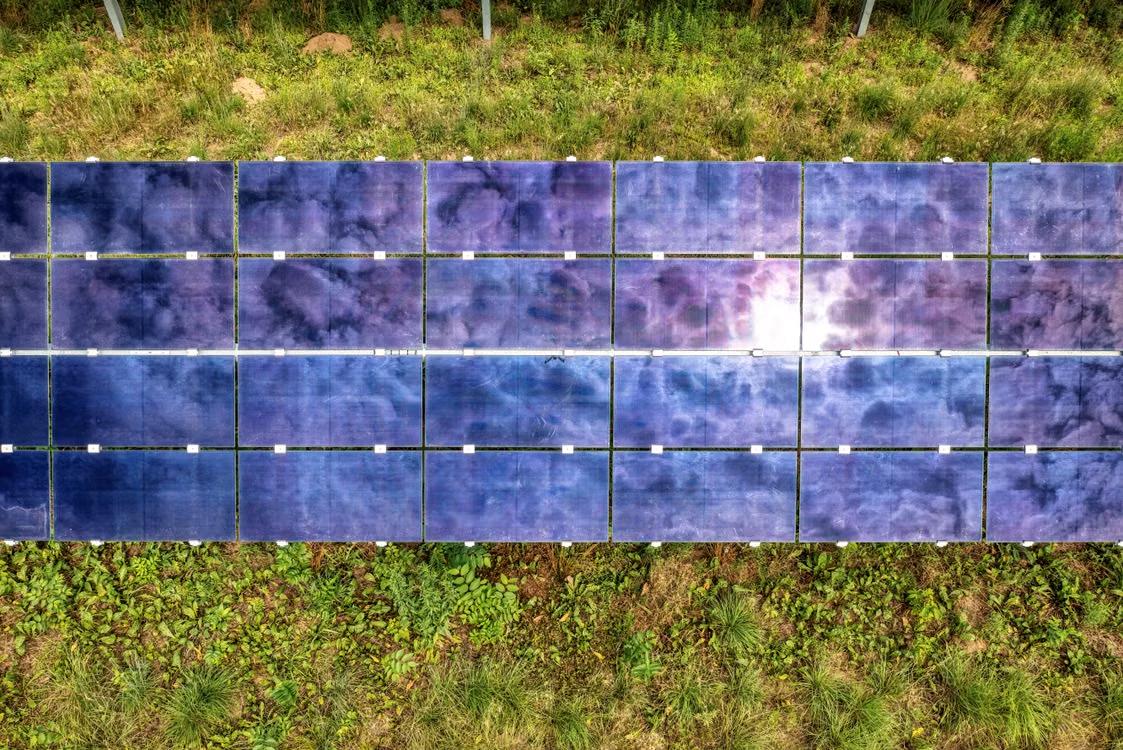
New England weather should be an input at the structural-design stage, not an afterthought after equipment is selected. Ground-mounted racking must account for site-specific wind and snow loads, foundation conditions, array height, and equipment clearances. BiG Energy’s ground-mount approach uses engineer-stamped structural designs and Northeast-oriented mounting systems, including layouts intended to support snow shedding and seasonal tilt adjustment. That engineering discipline is particularly important for facilities that also depend on storage for resilience. A battery can only support selected loads during an outage if the electrical architecture, controls, and capacity were planned around those loads in the first place. For cold storage, production equipment, communications, or other priority circuits, the backup strategy should be defined before equipment is specified.
Design Solar and Storage as One System
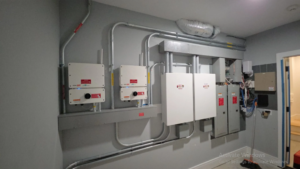
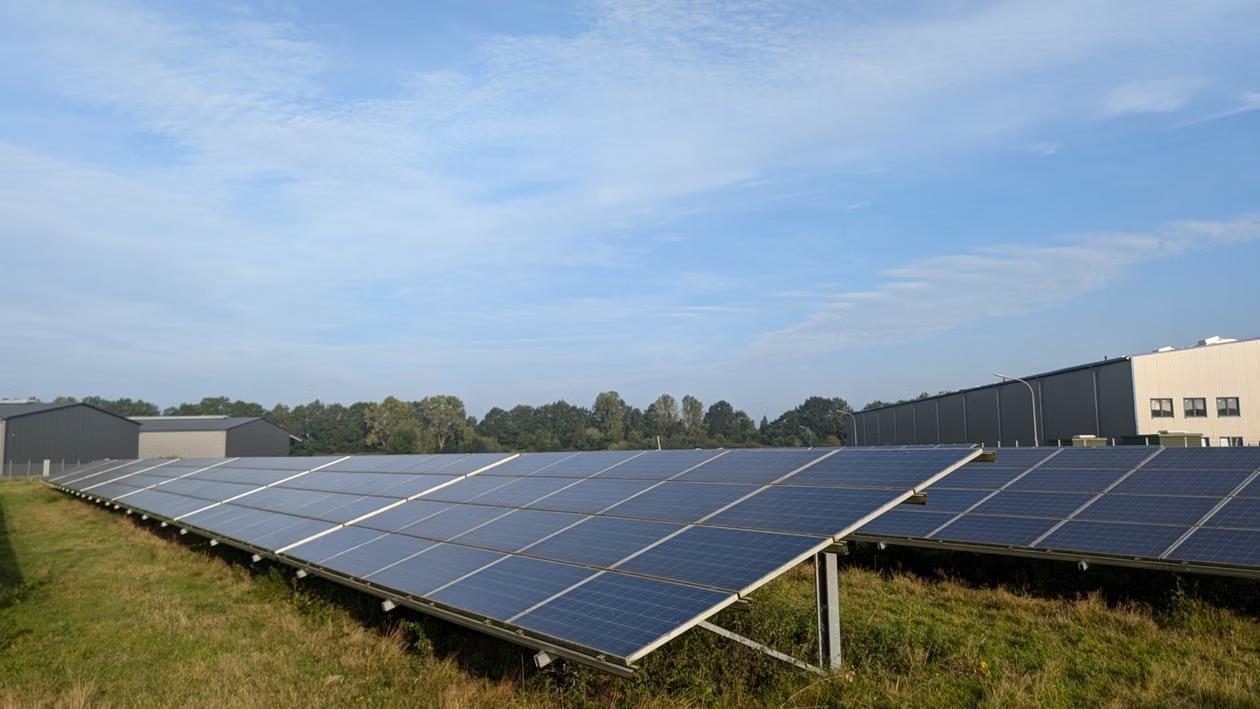
Solar changes when electricity is produced; storage changes when it can be used. For a commercial facility with demand charges, time-sensitive loads, or resilience requirements, that distinction can materially affect project economics. A battery can absorb excess daytime generation and discharge later, but its value depends on the site’s load curve, utility tariff, battery power rating, usable energy capacity, and control strategy, not simply its nameplate capacity. BiG Energy designs commercial solar, battery storage, and electrical infrastructure
When solar and storage are scoped together, the design team can make deliberate decisions about which loads deserve backup, how much energy reserve to maintain, and when the battery should respond to peak demand. That integrated approach also reduces the risk of discovering later that switchgear, service equipment, or inverter architecture must be reworked to accommodate storage. For facilities evaluating both technologies, one coordinated electrical design is often more valuable than treating the battery as an accessory added after the solar array is complete.
Factor Current Connecticut Incentives Into the Model
Project economics also depend on incentives and utility rules. Connecticut’s Energy Storage Solutions program, administered by the Connecticut Green Bank, Eversource, and UI, continues to offer incentives for eligible commercial and industrial battery projects, but its structure changed for new participants effective April 1, 2026. The current framework places more weight on long-term performance payments, with enrollment incentives limited to priority commercial and industrial customers. That is a good example of why incentive assumptions should be verified when a project is modeled rather than copied from an older
Engineering Matters More Than Panel Count
Commercial ground-mount projects bring together civil, structural, electrical, and utility-interconnection decisions. A serious proposal should therefore explain what data was used to size the system, how production was modeled, what structural criteria drive the racking, where equipment will sit, how the array connects to existing service, and what happens if the facility adds load later. BiG Energy’s engineer-owned model is relevant here because its team handles solar, storage, and commercial electrical infrastructure under one technical scope.
For owners comparing proposals, the most useful questions are often not ’How many panels?’
but ’What assumptions are driving this design, and how will it perform on this specific site?’
Put Your Property to Work
Open land can become a long-term energy asset when the system is engineered around the property rather than forced into a standard package. BiG Energy USA provides commercial solar, battery storage, and electrical infrastructure solutions across Connecticut and the Northeast, with engineer-led design based on actual facility loads and site conditions. If you are evaluating a ground-mount project in the Hartford area, speak with a commercial ground-mounted solar installer in Hartford, CT about your utility data, available land, and resilience goals.
Contact BiG Energy USA to request a project assessment and determine whether ground-mounted solar, storage, or an integrated system is the right fit for your operation.