For Stamford businesses, farms, and commercial property owners with available land, ground-mounted solar can offer a practical way to generate renewable electricity without relying on valuable rooftop space. However, the long-term performance of a commercial solar array depends heavily on who designs and installs it.
Choosing a commercial ground-mounted solar installer in Stamford, CT, should involve much more than comparing equipment prices or projected panel output. Ground-mounted systems require careful engineering, site preparation, foundation planning, electrical design, permitting, utility coordination, and ongoing monitoring.
The right installer should approach the project as a long-term energy asset rather than simply a collection of solar panels.
Here are the key factors Stamford property owners should examine before selecting a ground-mount solar partner.
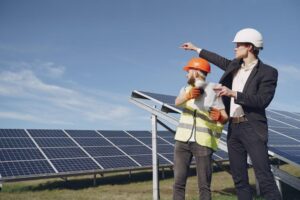
Start With an Engineering-Focused Site Assessment
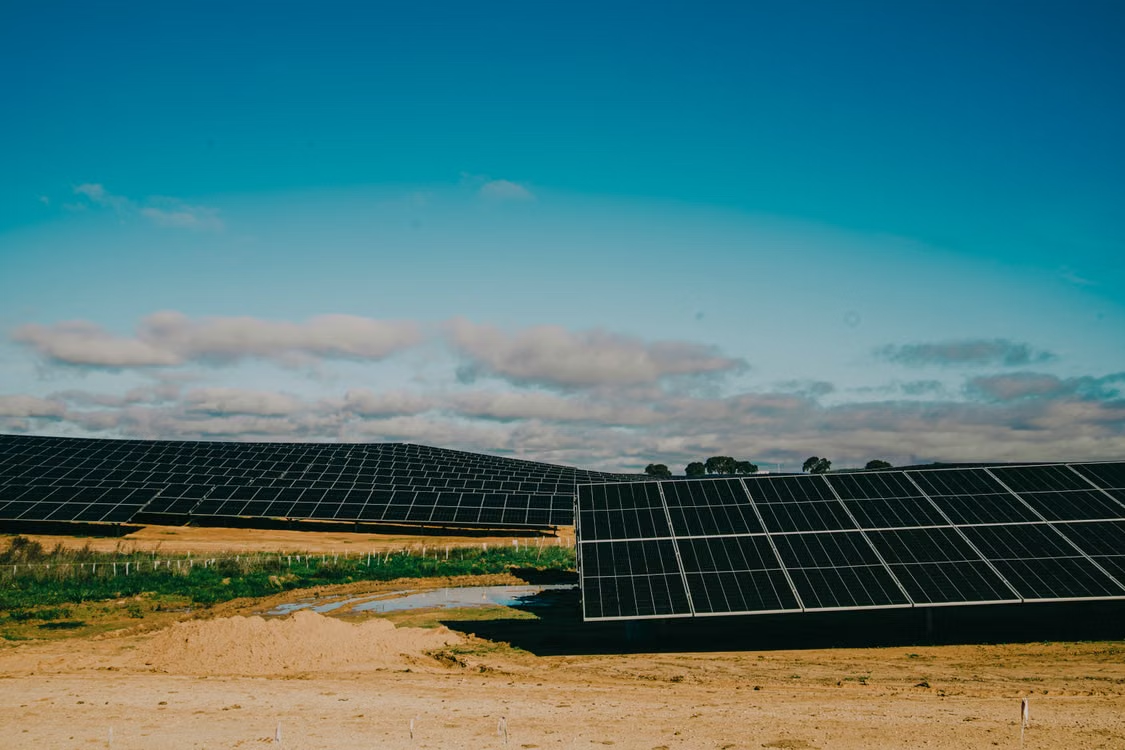
Every commercial property is different. Before an installer recommends system size, mounting equipment, or panel placement, the property needs a detailed evaluation.
A qualified should assess factors such as:
- Available usable acreage
- Ground conditions and soil characteristics
- Property slopes and grading
- Solar exposure and shading
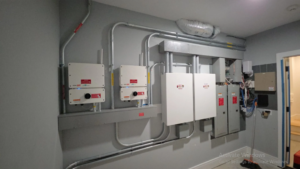
- Existing electrical infrastructure
- Annual electricity consumption
- Utility interconnection requirements
- Drainage and stormwater considerations
- Access for construction and future maintenance
Commercial solar projects should ultimately be designed around the property’s energy requirements and physical conditions rather than based on a standard system package.
An engineering-focused contractor can determine how structural, civil, and electrical factors interact before construction begins. This upfront planning can reduce expensive redesigns, installation complications, and operational issues later.
Ask About Structural Engineering and Mounting Systems
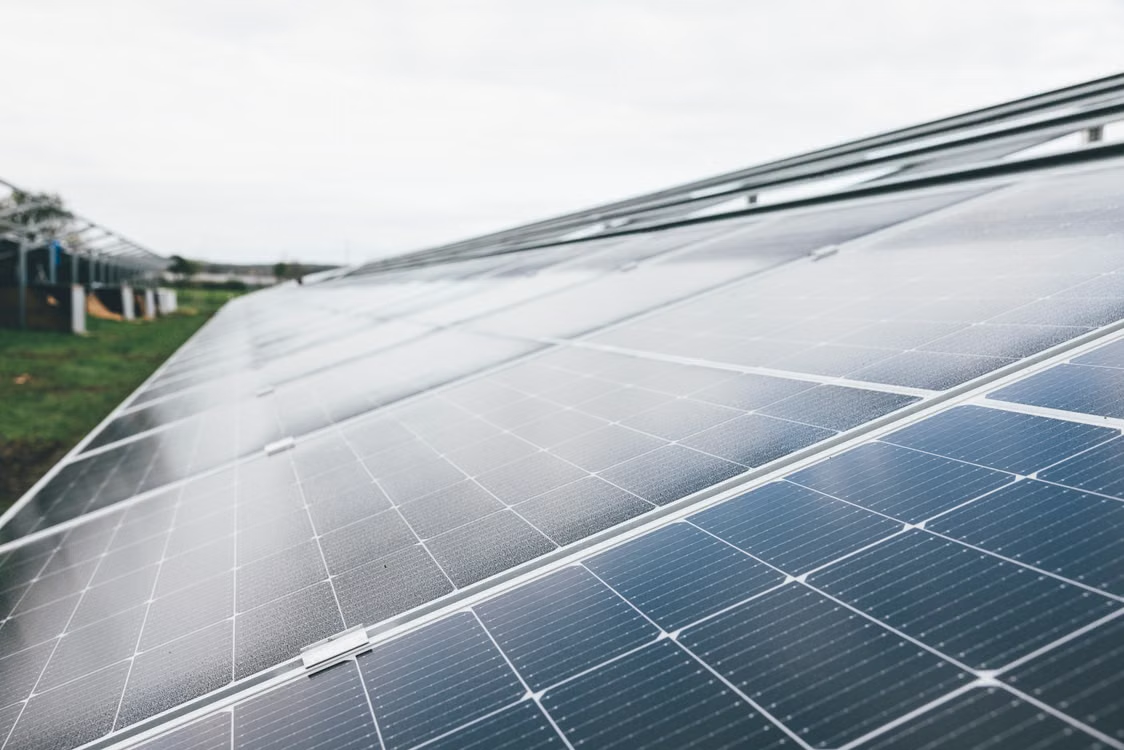
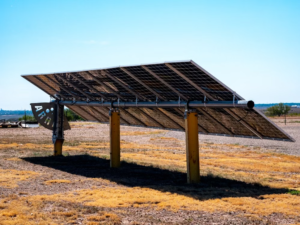
The mounting structure supporting a ground-mounted solar array must withstand decades of exposure to changing weather.
Wind, snow, freeze-thaw cycles, drainage conditions, and soil movement all need to be considered during system design. Connecticut’s climate makes proper structural planning especially important.
Ask prospective installers how foundations are selected, how site conditions influence structural calculations, and which mounting manufacturers they use.
Working with an installer experienced with engineered systems such as MT Solar mounts can also provide another level of product familiarity.
MT Solar publishes detailed guidance addressing pole foundations, concrete placement, steel pole installation, rails, and mounting assemblies.
For property owners specifically looking for an MT Solar-certified or experienced contractor, confirming that expertise before installation can help ensure the system is assembled according to the manufacturer’s intended specifications.
Look Beyond Panel Capacity to Expected Energy Production
A larger solar system does not automatically mean a better-performing system.
Panel orientation, tilt, shading, inverter selection, electrical losses, equipment layout, and local site conditions all influence actual energy production.
A capable commercial ground-mounted solar installer in Stamford, CT, should explain not only how many kilowatts will be installed but also how the design is expected to translate into electricity production over time.
Ask to review the assumptions behind the production model.
For example:
What shading losses have been included? What panel degradation assumptions were used? How were tilt and orientation selected? What inverter losses are expected?
An engineer-led design process can help optimize these variables around the property instead of forcing the site to accommodate a predetermined system.
Evaluate Local Permitting and Utility Experience
Commercial ground-mounted solar involves multiple approvals that can vary according to property characteristics, project size, utility territory, zoning requirements, and system design.
Connecticut has continued working on policies and best practices surrounding siting and permitting for ground-mounted solar through initiatives addressing responsible solar development.
An installer familiar with Connecticut projects should understand how to coordinate the necessary engineering documentation, electrical requirements, permitting processes, inspections, and utility interconnection steps.
Ask potential installers:
How many commercial systems have you completed in Connecticut? Who manages permitting documentation? Who handles utility communication? How are project delays or requested revisions managed?
Experience gong through these steps can be just as important as expertise installing the physical equipment.
Understand Available Incentives and Financing Options
Solar economics can change as state and federal programs evolve, which makes current incentive knowledge essential.
Connecticut recently extended existing commercial and community solar programs through 2035, although program structures and eligibility requirements can change over time.
Connecticut Green Bank also identifies solar power as an eligible renewable-energy measure under its C-PACE financing program for qualifying commercial properties.
Federal clean-energy incentives have also undergone significant changes, so commercial property owners should verify current tax eligibility with qualified tax and energy professionals before relying on an incentive in their project’s financial model.
A knowledgeable installer should be able to explain the programs potentially relevant to a project without making unrealistic promises about eligibility or savings.
Consider Pairing Ground-Mount Solar With Battery Storage
Solar generation is only one component of a modern commercial energy strategy.
Businesses concerned about peak demand, outage resilience, or controlling when stored solar electricity is used may also benefit from evaluating commercial BESS solutions in Stamford, CT.
Battery Energy Storage Systems can operate independently or alongside solar PV.
Connecticut’s Energy Storage Solutions program currently supports qualifying commercial and industrial customers with incentives tied to battery participation and performance.
The Connecticut Green Bank notes that commercial battery systems can help with peak-demand management and provide additional resilience during outages.
Working with a company capable of designing both solar and storage allows property owners to consider these technologies as one coordinated energy system rather than separate projects.
Examine Equipment and Workmanship Warranties
A commercial solar system is expected to operate for decades, so warranties deserve careful review.
Ask the installer to clearly distinguish between:
- Solar panel warranties
- Inverter warranties
- Mounting-system warranties
- Battery warranties, when applicable
- Installer workmanship warranties
- Performance guarantees, if provided
More importantly, determine who will be responsible for handling warranty claims.
Even strong manufacturer warranties offer limited practical value if the property owner is left coordinating several vendors when equipment requires replacement.
Make Sure Monitoring Is Included
Once the array is operating, monitoring provides visibility into how the system is performing.
A commercial monitoring platform may track solar production, inverter status, system faults, historical performance, and other important operating information.
Ask who receives alerts when equipment underperforms and whether the installer offers ongoing maintenance or troubleshooting services.
A well-designed monitoring program makes it easier to identify reduced production early rather than discovering a problem months later through unusually high utility bills.
Why Installer Expertise Matters for Long-Term Value
Ground-mounted solar should be treated as infrastructure.
Panels may be highly visible, but foundations, structural engineering, electrical design, system modeling, commissioning, and maintenance planning are what support long-term performance.
Rather than hiring a generic contractor that happens to offer solar, Stamford property owners should look for a provider with demonstrated commercial ground-mount experience, engineering capabilities, strong mounting-system knowledge, transparent warranties, and experience navigating Connecticut project requirements.
An installer familiar with professionally engineered mounting systems and manufacturer-specific installation requirements can also help reduce avoidable design and construction compromises.
Your available land can become more than unused commercial space. With the right engineering strategy, it can become a long-term energy-producing asset.
BigEnergy USA brings an engineering-focused approach to energy design, strategy, and installation across commercial solar and battery storage projects.
Whether you are searching for a commercial ground-mounted solar installer in Stamford, CT, evaluating commercial BESS solutions, or planning an integrated solar-plus-storage system, can help develop a solution around your property’s energy demands, site conditions, and long-term operational goals.
Connect and work with premier energy experts who look beyond equipment installation and focus on creating a coordinated energy strategy built for performance, resilience, and lasting value.